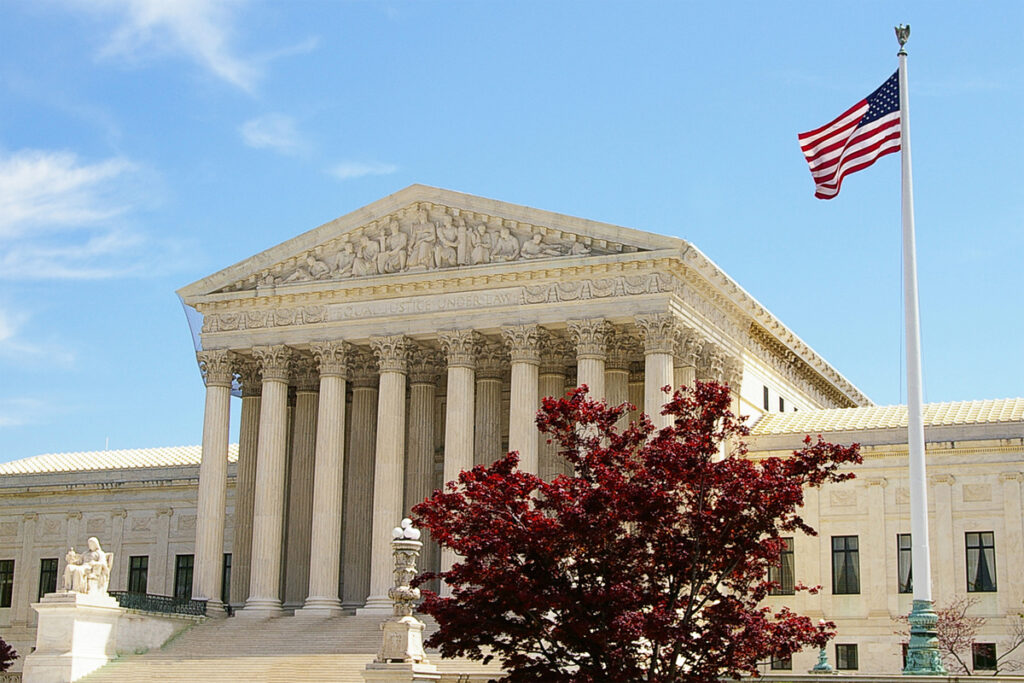
The US Supreme court has ruled that States can collect Sales Tax require online retailers to collect Sales Tax even in States where they don’t have a physical presence. They delivered their Opinion on Thursday this week
This has far reaching implications for online retailers, not just those based within the US. Amazon as the largest online retailer already collects Sales Tax in the States this will affect most so the impact on them is pretty much zero. However, merchants who sell on Amazon could now be required to collect taxes for every jurisdiction that they sell in as indeed they may on any other marketplaces they sell on and their own websites.
It’s not yet clear if States will require non-US merchants to collect sales tax, but it would appear probably that they will as it’s an easy source of revenue that hits non-votors. Getting tax revenues to states from international sellers will also will appeal to the Trump administration who are already throwing trade tariffs around on various industry sectors.
The decision in the South Dakota vs Wayfair Inc ruling benefits bricks and mortar stores as it puts online retail in an equal tax situation and States that say they are missing out on millions of tax dollars will also benefit.
Consumers are the real losers as they’ll end up paying more in tax, but in most US States they should have been declaring a Use Tax and paying on their tax returns. The biggest burden will fall on smaller retailers as they’ll now have to collect taxes at different rates for all States and potentially jurisdictions within States. It’s no simple matter as not only to tax rates vary but so do the tax categories between States who can all set taxation rules to suit their area.
It’s unclear currently whether marketplaces will carry the burden of applying taxes or if they will hide behind the fact they merely facilitate the sale and the third party seller is the merchant of record.
The Supreme Court did attempt to protect small businesses to an extent, with potential revenue and sales volumes for each State before retailer are required to report taxes. However these volumes are so low in reality that any merchant with modest sales will still be impacted – only small lifestyle pin money businesses are likely to meet the exemptions which the States themselves will set so won’t even be uniform across the US.
The net result appears to be that there will be a boom in companies offering free or paid for tax accounting and reporting software and merchants, particularly smaller merchants with the fewest resources will be impacted the most.